In orthodontics, we treat malocclusions, which literally means “bad bite.” A bite can be off in various ways, but when your upper teeth are too far forward, chomping down on your favorite food might actually hurt. If you’re experiencing uncomfortable symptoms, you may need an overbite correction.
Thankfully, there are several options for correcting an overbite. And with early intervention, you can reduce the risk of needing a more invasive treatment, like surgical correction, later on.
Causes and Symptoms of Overbites
 An overbite is a type of jaw misalignment when your upper teeth overlap with your lower teeth by at least 2 to 4 millimeters. There are a few factors that can contribute to overbites. In some cases, it runs in the family. Habits like excessive nail biting, teeth grinding, or even thumb-sucking past the age of 3 can also play a role. Another common cause is tongue thrusting, which is when the tongue pushes too far forward in the mouth, often during speaking or swallowing.
When you have an overbite, you might experience pain while chewing, wear and tear on teeth, and even breathing issues. Other symptoms you might experience from this kind of bite misalignment are:
- Gum disease
- Headaches, ear aches, and jaw pain
- Temporomandibular joint disorder (TMD): a disorder that can cause jaw pain and other problems
On top of these functional issues, an overbite can impact your self-esteem. It can make you feel self-conscious about your smile, leading to hesitation in social situations or avoiding photos altogether.
If you’re struggling with your smile, exploring overbite correction options can alleviate symptoms and boost your confidence.
Correcting an Overbite: Your Options
So you’re ready to take the next steps to correct your overbite. What are your options? The good news is that most overbites can be corrected without undergoing surgery.
One of the most common and effective treatments for overbites is braces. Braces apply continuous pressure to the teeth to slowly move them into the correct position. We most commonly think of braces as metal, but you can opt for clear braces made of ceramic for a more subtle look.
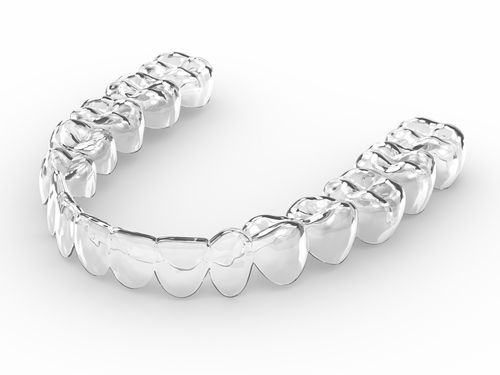
If you’d prefer an even more discreet treatment option, we may be able to correct your overbite with Invisalign clear aligners. They work similarly to conventional braces but are less visible. Another benefit of clear aligners for overbite correction is that there are almost no food restrictions because you remove the aligners at meal times.
However, clear aligners aren’t always the best approach. Some patients may need to start with traditional metal or clear braces before transitioning to Invisalign, while more severe overbites might not be treatable with aligners at all.
In certain cases, we may use temporary anchorage devices (TADs) to enhance tooth movement and improve outcomes. We place these small, screw-like implants in the jawbone where they serve as a fixed point for moving teeth more effectively. Another common tool for correcting more pronounced overbites (especially in growing teens) is the Herbst appliance. This device helps guide jaw growth and correct the alignment between the upper and lower jaws, often used in combination with braces for optimal results. It’s considered a more modern alternative to removable headgear.
It’s important to realize that correcting an overbite may not be a quick fix. Depending on how severe the overbite is, this process can take months or years. But the lasting results make it worth the effort, especially when overbite symptoms affect your life.
Early Intervention Can Prevent Overbite Correction Surgery
Overbite correction surgery is typically a last resort. We recommend it only when braces and other options cannot fully correct the overbite. At our practice, we recommend early intervention for children with overbites to avoid corrective surgery down the line. When kids start treatment at an earlier age, we can guide their jaw and teeth to the correct position during their natural growth. In some cases, early treatment reduces the amount of intervention a child would need in their lifetime. When a patient starts treatment between 8 and 10 years of age, we can usually correct the overbite in 6 to 12 months.
Book a Free Overbite Correction Consultation
Overbites can be painful and cosmetically undesirable. But braces and aligners are accessible ways to treat them. And with early intervention, they can be corrected more quickly. At Orthodontists Associates of WNY, we will work with you to find the best, least invasive option to correct your overbite and improve the overall function of your teeth and jaws. We will see what’s best for your lifestyle, preferences, and goals to design a personalized treatment with lasting results.
Are you ready to take the next steps and correct your overbite? Contact one of our seven offices across Western New York to schedule a free consultation. We have offices in Buffalo, Lancaster, Olean, Hamburg, Orchard Park, East Aurora, Dunkirk, and Niagara Falls, New York.